Your cart is currently empty!
Walk into a Pop Mart store and you’ll find shelves lined with mischievous little creatures—wild eyes, sharp teeth, chaotic expressions. These are Labubu dolls, and they’re flying off shelves faster than your typical teddy bear. But as their popularity explodes among collectors and casual fans alike, a bigger question looms:
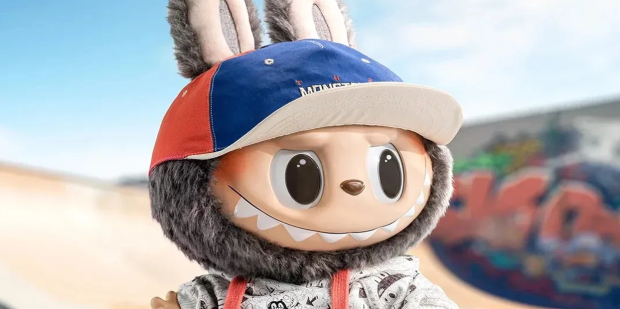
Are Labubu dolls actually suitable for children? Or are they a love letter to adult weirdness in a kid-sized package?
Not Your Average Plushie: The Case Against Labubu for Kids
1. “Scary” Design
Some parents argue that Labubu’s design—sharp teeth, exaggerated features, and “monster-like” energy—might frighten younger children. Unlike the soft, smiley faces of traditional toys, Labubu plays with unsettling whimsy. Not every 4-year-old will want a goblin-like friend on their bed at night.
2. Blind Box Obsession = Adult Marketing Tactic?
The blind box model (where you never know what figure you’ll get) encourages addictive collecting behavior—fun for grown-ups, but potentially overwhelming or frustrating for young children who just want their favorite character.
3. Pricing Problem
At RM49–RM100+ per figure, and even higher for limited editions, Labubu dolls aren’t exactly priced for typical children’s allowance. This places them more in the realm of collectible art toys than everyday playthings.
The Adult Playground: Why Grown-Ups Are Labubu’s Biggest Fans
Labubu isn’t just a toy—it’s a symbol of adult nostalgia and rebellion.
- Nostalgia with an edge: Adults raised on cute cartoons now crave toys that reflect the chaos of adulthood. Labubu’s twisted grin hits that sweet spot between cute and unhinged.
- Emotional comfort: In a world of stress, recession, and endless doomscrolling, Labubu offers something oddly comforting. It says: “It’s okay to be weird. We all are.”
- Pop Culture Collectibility: Like Funko Pops or Be@rbricks, Labubu has entered the design toy world, blending fashion, art, and fandom.
A Middle Ground: What Labubu Could Mean to Both
What if Labubu isn’t strictly for kids or adults—but for the in-between?
In many ways, Labubu captures what both groups want:
- Kids want toys that feel mischievous and imaginative.
- Adults want reminders that life doesn’t always have to make sense.
If we can accept that beauty isn’t always cute and toys aren’t always innocent, Labubu becomes more than just a doll—it becomes a mirror of modern life.
Final Thought: Who Really Needs Labubu?
Maybe it’s not about whether Labubu is suitable for kids.
Maybe Labubu exists because adults are finally letting themselves play again—awkward teeth, goblin energy, and all.
And maybe, just maybe, the world could use a little more of that.
Would you buy a Labubu for your child—or just keep one for yourself?
Share your thoughts below or tag us on socials with #LabubuDebate #CuteOrCreepy #PopToyCulture!
Leave a Reply