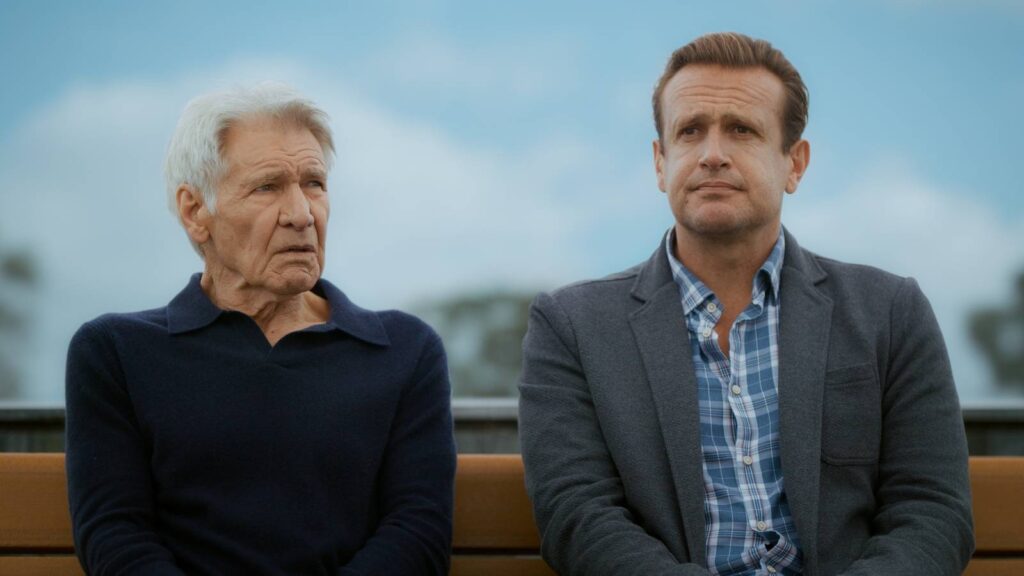
“Few shows understand emotional damage quite like Shrinking. Season 2 doesn’t just continue the healing process—it digs deeper into the scars people carry long after the laughter fades.”
There’s something deceptively comforting about Shrinking. On the surface, it’s another warm dramedy filled with quirky banter, lovable dysfunction, and emotionally wounded adults fumbling through life. But beneath that easy charm lies one of television’s sharpest explorations of grief, forgiveness, and emotional survival.
And somehow, against all odds, it becomes even better.
The Premise: Healing Isn’t Linear
Season 2 picks up after the emotional fallout of Jimmy’s increasingly reckless therapy methods. Still drowning in guilt over his wife’s death, Jimmy continues trying to “fix” the people around him while barely holding himself together.
But the genius of Shrinking is that it never treats therapy as magical emotional surgery. Healing here is awkward, repetitive, messy, and occasionally selfish. Every character is carrying invisible damage.
Jimmy wants redemption.
Paul fears losing control over his body and future.
Gaby struggles with loneliness beneath her confidence.
Alice wrestles with grief she’s too emotionally mature to properly express.
Even the show’s funniest moments are usually hiding emotional collapse somewhere underneath.
That balance between comedy and heartbreak is where Shrinking thrives.
Harrison Ford Quietly Steals the Entire Show
Nobody expected Harrison Ford to become one of television’s best dramatic comedians this late into his career.
And yet Paul may be the emotional backbone of the entire series.
Ford plays him with exhausted restraint—dry sarcasm masking fear, vulnerability, aging, and regret. His scenes never beg for emotional attention, which somehow makes them hit even harder.
Season 2 deepens Paul’s Parkinson’s storyline without turning it into manipulative melodrama. Instead, the series examines what happens when someone who spent a lifetime emotionally guarded is finally forced to let people care about him.
It’s subtle, devastating work.
And somehow still hilarious.
Why the Ensemble Works So Well
Many shows claim to be ensemble-driven. Shrinking actually earns it.
The brilliance of Season 2 is that every supporting character feels emotionally necessary. Nobody exists purely to deliver exposition or comic relief.
Jessica Williams continues to make Gaby one of the most naturally charismatic characters on television. Luke Tennie’s Sean receives stronger emotional material this season, particularly surrounding trauma and identity. Christa Miller’s Liz becomes increasingly chaotic in ways that are both funny and painfully recognizable.
Even the friendships feel lived-in.
Characters interrupt each other. They overshare. They weaponize humor to avoid vulnerability. They forgive too quickly because they’re terrified of abandonment.
It resembles real friendship more than polished television dialogue usually allows.
That authenticity is precisely why the show has developed such passionate audience loyalty online.
The Writing Is Sharper, Sadder, and More Confident
Season 1 occasionally felt uncertain whether it wanted to be a therapy satire or emotional comfort television.
Season 2 finally understands its identity.
The show now embraces itself as a “hangout dramedy”—less interested in plot twists than emotional momentum. Critics repeatedly highlighted how much more confident the writing feels this season, especially in balancing humor with emotional depth.
And that confidence matters.
Because the season introduces heavier material: guilt, forgiveness, aging, trauma, emotional dependency, and unresolved grief. Yet it rarely feels emotionally oppressive.
Instead, Shrinking understands something many prestige dramas forget:
People are often funniest precisely when they’re emotionally falling apart.
Where the Season Struggles
Season 2 isn’t flawless.
At times, the series becomes slightly too self-aware of its own charm. Certain characters drift toward exaggerated behavior, bordering on sitcom caricature rather than grounded emotional realism.
Some storylines also feel compressed by the half-hour runtime. Emotional breakthroughs occasionally arrive too quickly, as though the show fears lingering in discomfort for too long.
And while the optimism remains refreshing, there are moments where the series smooths over consequences a bit too conveniently.
But even at its weakest, Shrinking remains deeply watchable because the emotional sincerity never feels fake.
What Works
- Harrison Ford delivers one of the best performances of his late career.
- The ensemble chemistry feels effortless and emotionally authentic.
- The writing balances humor and grief with remarkable consistency.
- Season 2 expands character depth without losing the warmth that made the series beloved.
- The show treats therapy and healing with unusual emotional honesty for mainstream television.
Final Thoughts
“Shrinking Season 2 succeeds because it understands a difficult truth: people rarely heal cleanly. We stumble forward, hurt each other accidentally, apologize imperfectly, and keep trying anyway.”
This season isn’t interested in grand revelations or prestige-TV shock tactics.
Instead, it focuses on something far more difficult: emotional intimacy.
And in an entertainment landscape crowded with cynicism, irony, and emotional detachment, Shrinking feels almost radical in its sincerity.
It wants to believe people can become better versions of themselves.
Not perfect.
Just better.
And honestly, that may be enough.
The Daily Crumbs Verdict:
★★★★½ out of 5
A deeply human second season that transforms grief, therapy, and emotional dysfunction into one of television’s warmest and smartest ensemble dramedies.
Leave a Reply